
TMJ Pain Treatment in Lincolnton, NC
TMJ dysfunction causes jaw pain, clicking, locking, and headaches that can make eating, talking, and sleeping uncomfortable. At Sitzmann Chiropractic on 1607 E Main St, Dr. Daniel Sitzmann provides hands-on chiropractic care targeting the jaw and surrounding structures to help Lincolnton patients find lasting relief.
Understanding TMJ Tension in Lincolnton
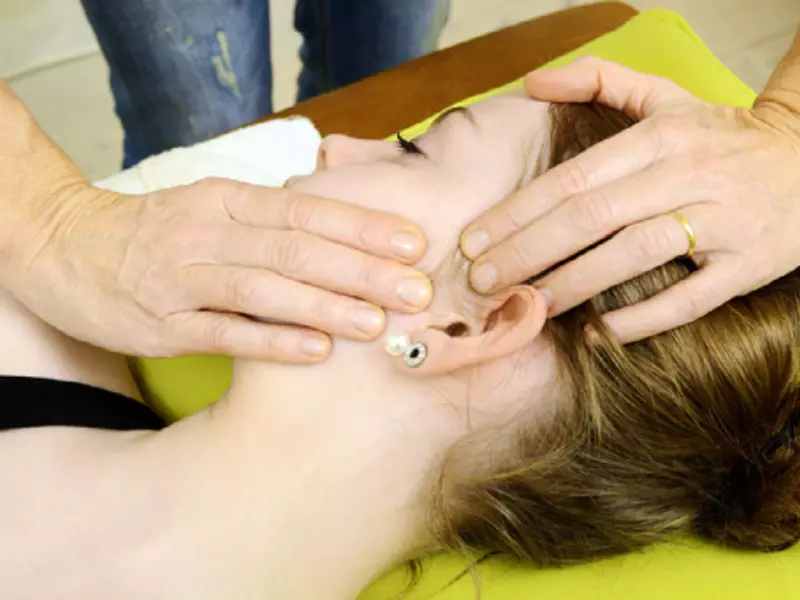
The temporomandibular joint connects your jaw to your skull and is one of the most frequently used joints in the body. When it becomes irritated or misaligned, it causes a range of symptoms including clicking, popping, locking, facial pain, and referred headaches. TMJ problems are often driven by stress-related habits, posture, and muscle tension that builds over time. Dr. Sitzmann takes time to understand your specific triggers and how your jaw mechanics connect to your neck and overall posture before building a care plan.
Common contributors include:
- Nighttime teeth grinding or clenching from stress
- Forward head posture from prolonged screen use
- Habitual jaw tension during focused or stressful activity
- Overworking the jaw with tough foods or excessive chewing
Hands-On Care for TMJ Relief
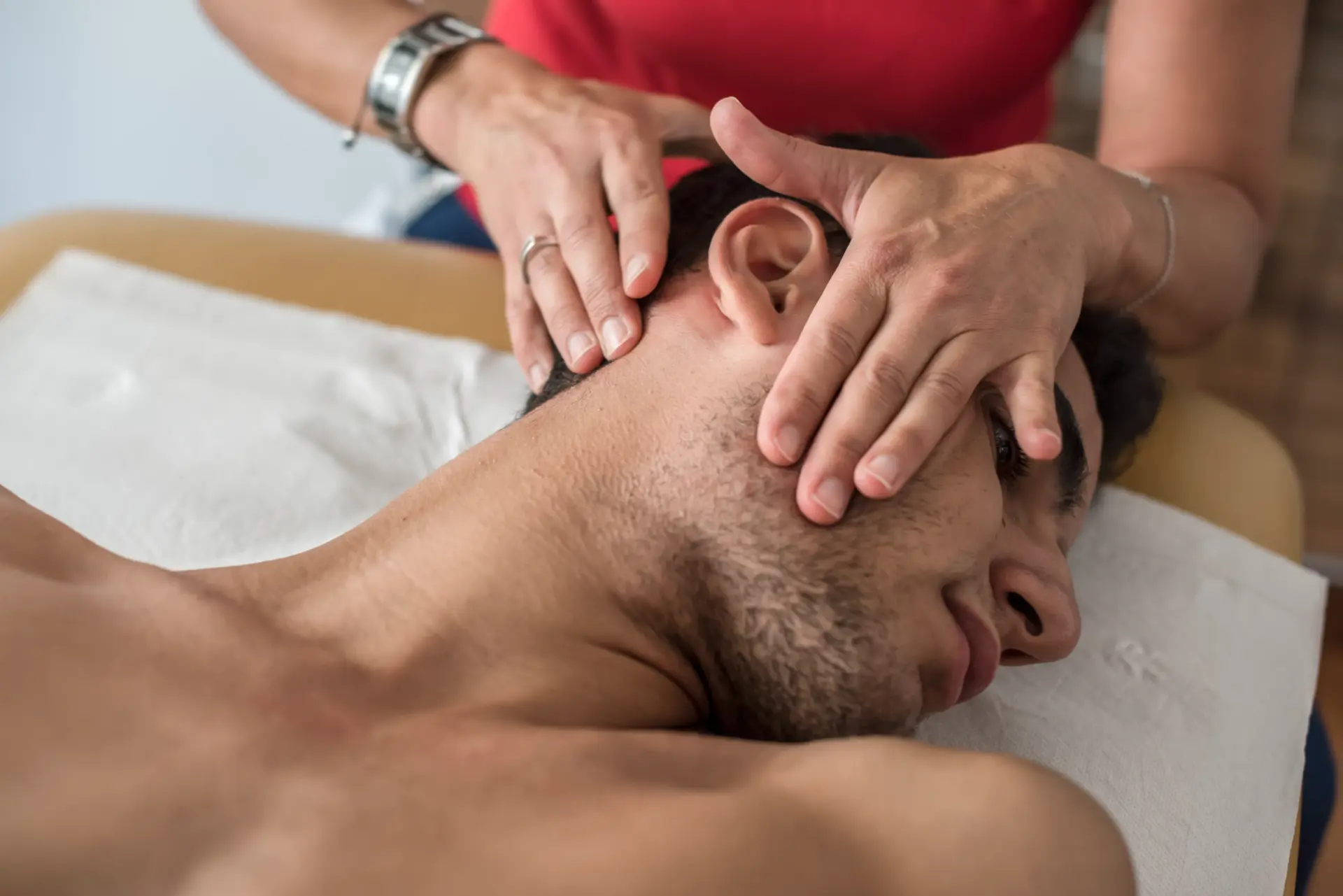
Dr. Sitzmann uses gentle mobilization of the jaw joint combined with upper cervical chiropractic work to reduce tension and restore smooth jaw movement. Sessions are done at a pace that is entirely comfortable for you. Care plans are flexible and built around your schedule.
Care may include:
- Gentle TMJ mobilization to restore normal tracking
- Upper cervical adjustments to ease referred jaw tension
- Bite and jaw posture retraining for daily function
- Progressive soft tissue work around the jaw and neck

Daily Habits to Support TMJ Relief
Small consistent changes between visits can significantly reduce jaw tension and prevent symptoms from returning. Dr. Sitzmann provides practical recommendations that are easy to build into your daily routine.
Helpful habits include:
- Practicing passive jaw relaxation after meals
- Goldfish exercises to gently improve opening range
- Choosing softer foods during flare-up periods
- Redirecting clenching habits with stress awareness tools
- Neck glides to reduce tension that feeds into the jaw
Frequently Asked Questions
How does stress contribute to TMJ pain?
Stress causes most people to clench or grind their teeth without realizing it, especially at night. This repetitive overload fatigues the jaw muscles and strains the joint, leading to the clicking, soreness, and stiffness that are hallmarks of TMJ dysfunction. Addressing both the jaw mechanics and the surrounding neck tension is key to lasting relief.
Can chiropractic care help with a locked or restricted jaw?
Yes. Dr. Sitzmann begins with a thorough assessment of how your jaw is tracking and where the restriction exists before applying any mobilization. Techniques are gentle and micro-dosed to match your sensitivity and comfort level throughout the process.
How many visits does TMJ care typically require?
Most patients start with more frequent visits over the first few weeks to address the acute tension and joint restriction, then transition to maintenance as symptoms stabilize. The pace is adjusted based on your response and how your symptoms are changing.
What can I do at home to ease TMJ symptoms between visits?
Resisted jaw opening exercises, moist heat applied to the joint, and consistent posture awareness are all effective between visits. Dr. Sitzmann will walk you through the right techniques for your specific situation during your appointment.
When should I come in for TMJ symptoms?
If you are experiencing persistent jaw pain, frequent locking or clicking, difficulty chewing, or ear discomfort alongside jaw tension, it is worth scheduling a consultation. Addressing TMJ dysfunction early prevents it from becoming a chronic pattern that is harder to resolve.