If you’ve ever left a chiropractic appointment feeling great, only to have the pain creep back within a few days, you’re not alone. This is one of the most common things patients tell me at Sitzmann Chiropractic in Lincolnton NC, especially after their first few visits. The short answer is that early adjustments often don’t hold because the surrounding muscles, posture, and movement patterns haven’t caught up yet – the body needs time to learn the new alignment before it sticks. The good news is this is normal, predictable, and addressable.
What Actually Happens During an Adjustment
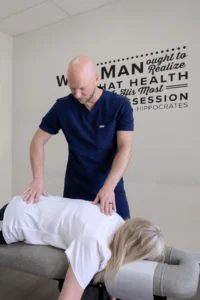
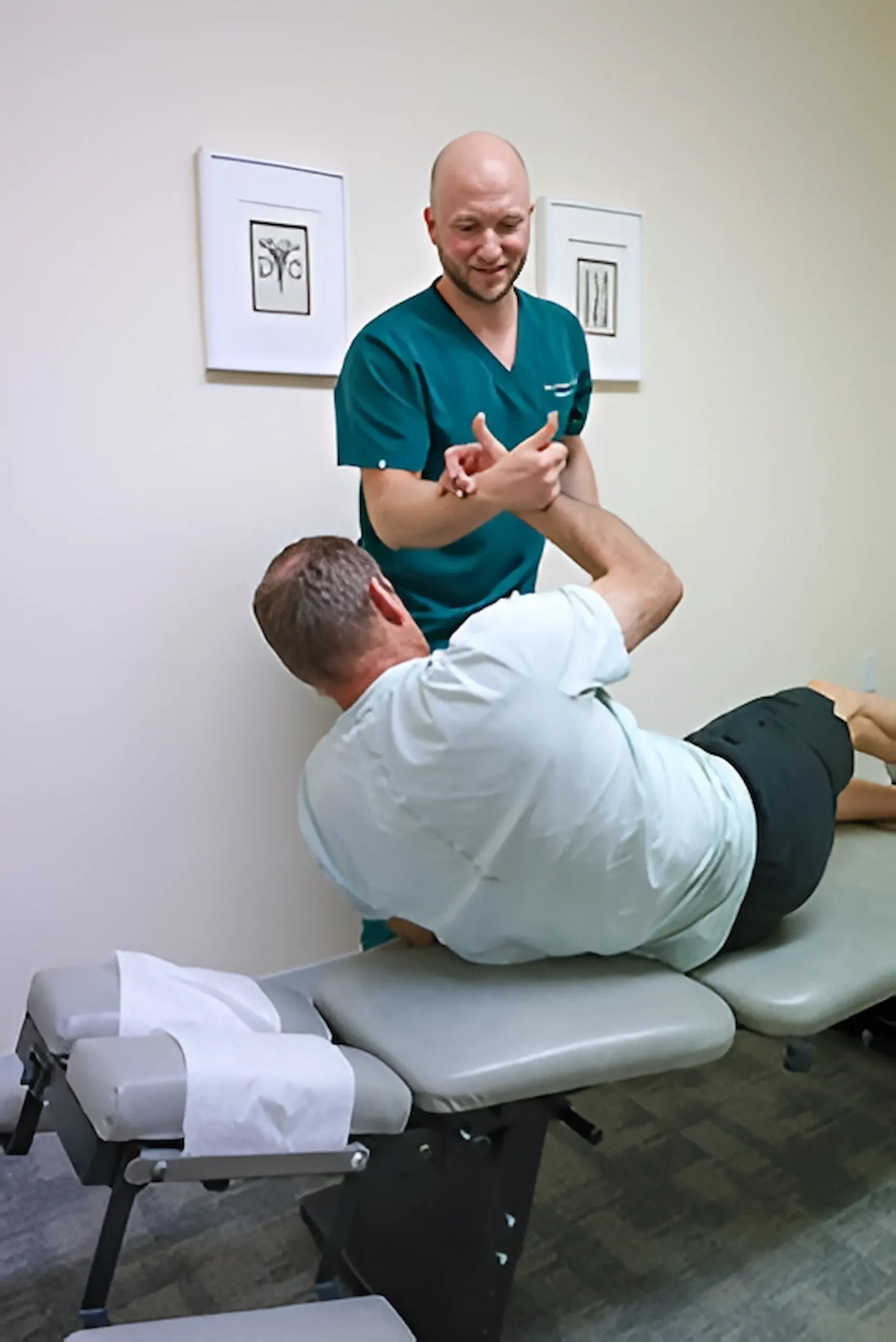
To understand why pain comes back, it helps to understand what an adjustment actually does. A chiropractic adjustment restores motion to a joint that’s been restricted or misaligned. It reduces pressure on nearby nerves, allows the surrounding muscles to relax, and lets the joint move the way it was designed to move.
That correction is real, but it’s also new. The joint has just been restored to a position it hasn’t been in for weeks, months, or sometimes years. Everything around that joint – the muscles, ligaments, fascia, and the patterns your nervous system has built around the dysfunction – is still adapted to the old position.
That’s where the issue lies. The structural correction is done. The adaptation around it isn’t.
Why the Body Pulls Itself Back
Your body is incredibly good at remembering positions. The muscles around a chronically misaligned joint have been working in a specific, abnormal pattern for a long time. Some are tight and overworked. Others are weak and inhibited. Your nervous system has wired itself around that pattern as the default.
When we adjust the joint, we change the position. But the muscles still remember the old one. Within hours or days, those muscles can pull the joint back toward the position they’re used to holding it in – not all the way, but enough that some of the original symptoms return.
This is especially true for chronic back pain and chronic neck pain, where the dysfunction has been building for years. The longer the body has been in a compensated pattern, the more deeply ingrained that pattern is.
Why the First Few Adjustments Don’t Hold Like Later Ones Do
This is the part most patients don’t get explained to them, and it’s where a lot of confusion comes from. In the early phase of care, adjustments don’t hold as well as they will later. That’s not a failure of the treatment – it’s biology.
Each adjustment is a signal to the nervous system that this new position is the correct one. With repeated input over time, the muscles and nervous system start to accept the corrected alignment as the new default. The corrections stick longer. The intervals between needing care extend. The body essentially relearns how to hold itself.
That’s why initial care plans involve more frequent visits – typically two to three times per week for the first few weeks. We’re not doing more adjustments because we like to see you. We’re doing them because the body needs repeated input before the correction stabilizes. Once it stabilizes, frequency drops significantly.
What Else Pulls Corrections Out of Place
Your Daily Posture
If you spend eight hours a day at a desk with your head jutting forward and your shoulders rounded, that posture pulls your cervical spine right back into the dysfunction we just corrected. Same with prolonged standing, asymmetrical sitting, or sleeping in positions that twist the spine. The hours you spend out of the office matter more than the time you spend in it.
Underlying Soft Tissue Tightness
Chronically tight muscles act like ropes pulling the spine out of alignment. Until that tightness is addressed – through care, stretching, and movement – the corrections will keep getting pulled. This is why someone with severe muscle guarding from chronic disc problems often takes longer to stabilize than someone with a recent acute strain.
Inflammation
If there’s active inflammation in or around the joint, the adjustment can reduce it but not eliminate it instantly. As inflammation resolves over multiple sessions, the adjustments hold progressively better.
Skipping Appointments in the Early Phase
This is the most common reason care doesn’t progress. If we schedule three visits in week one and you only make it to one, the nervous system doesn’t get the repeated input it needs. The body defaults back to the old pattern between visits, and we essentially start over each time.
What Actually Makes Care Stick
Consistency in the early phase is the single biggest factor. Patients who complete their initial care plan as scheduled almost universally see the corrections start holding longer within the first two to three weeks. Patients who come sporadically rarely see that stabilization happen, because the body never gets to settle into the new pattern.
Beyond that, small daily habits between visits make a real difference. Being conscious about posture during the day. Building in movement breaks if you sit for work. Sleeping in positions that don’t twist your spine. Doing the basic stretches we recommend. None of these are dramatic, but they reduce the daily forces that are working against the corrections.
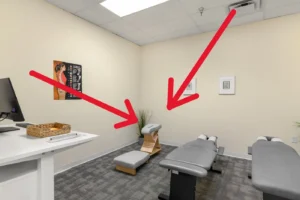
Our intersegmental traction table also plays a role here. Every visit at Sitzmann Chiropractic starts with this roller-style table to loosen the spine and reduce muscle guarding before any hands-on work. That preparation helps the adjustment go in more cleanly and gives it a better chance of holding. You can read more about how our session approach works.
How to Tell If Care Is Actually Working
The right way to evaluate chiropractic progress isn’t whether you feel 100% better after every single visit. It’s whether the trend is moving in the right direction.
Look for signs like pain returning less severely, gaps between flare-ups getting longer, less frequent need for medication, easier movement and better range of motion, and improved sleep. These changes happen gradually and aren’t always dramatic from visit to visit, but they add up over a few weeks of consistent care.
If you’re a few weeks into care and not seeing any of those signs, that’s worth a conversation. The plan may need to be adjusted, or there may be other factors at play that need to be addressed.
Frequently Asked Questions
Should I come in more often if the pain keeps coming back?
In the early phase of care, yes – that’s exactly what the initial care plan is designed to address. The frequency reduces once the body starts holding the corrections better.
Is it normal to feel worse for a day or two after an adjustment?
Some patients experience mild soreness for 24 to 48 hours after an early adjustment, especially if there was significant misalignment or muscle tension. This is similar to the soreness after a workout. It typically reduces as care progresses.
How long until adjustments start holding?
For most patients with chronic issues, the corrections start holding meaningfully better within the first two to four weeks of consistent care. Acute issues often stabilize faster.
If you’ve been frustrated by pain that keeps returning, the issue is rarely that chiropractic isn’t working – it’s usually that the plan didn’t get a real chance. Schedule online at our Lincolnton NC office or call us at (980) 284-2525.